


Fats Navarro Key West Legend
Theodore “Fats” Navarro – a legendary jazz trumpeter from Key West
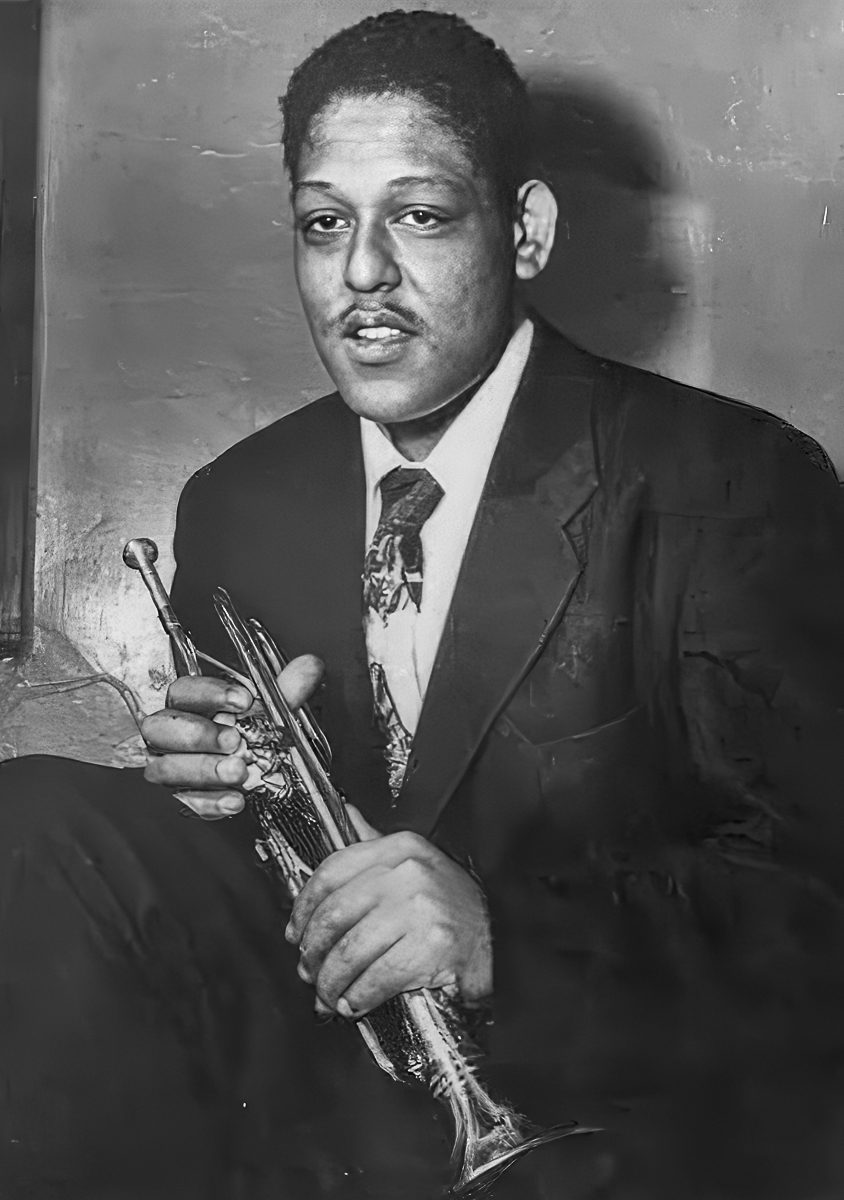
The story begins on September 24, 1923 in Key West, Florida where Theodore “Fats” Navarro was born of mixed Cuban-Black-Chinese parentage. His father Theodore, who was a barber by trade, nicknamed his son “Cody”. The family also included his mother Miriam and sisters, Elizabeth and Delores. They owned their home which was located on the corner of Thomas and Olivia Streets in Bahama Village. The home is still owned by the Navarro descendants today.
Fats grew up in a multi-lingual family speaking fluent Spanish and English which later in life became very helpful when conversing with the Latin jazz musicians in New York.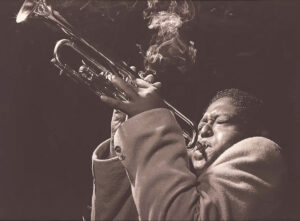
His youngest sister Delores was his favorite. He would have breakfast with her and take her to school while growing up. Delores Navarro always deeply loved her big brother. Sister Elisabeth always spoke well of Fats and said he was good natured and always looked on the positive side of life. While growing, up Fats was a very good sponge diver and could hold his breath underwater for several minutes.
At age six, he began taking piano lessons from the now famous Ellen Welters Sanchez. Fats disliked Key West and ran away at a very young age on the train but was caught in Miami and quickly returned.
At age 13, he switched to the trumpet and started taking a more serious interest in music. His mother quickly saw his commitment to learning the trumpet and bought him a better-quality instrument. He played trumpet in ‘segregated Douglas High School band and briefly played tenor saxophone with Walter Johnson’s Band in Miami while still in high school.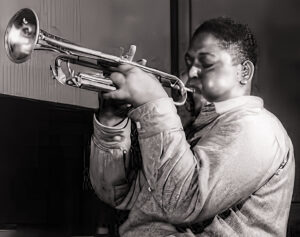
He was once quoted as saying’ “I didn’t like Key West at all. I’ll never go back.” So, after graduating high school, he joined Sol Allbright’s band based in Orlando. Fats traveled with him to Cincinnati, took further trumpet lessons from an Ohio teacher, and soon went on the road with Snookum Russell’s Indianapolis based orchestra. The orchestra became a great place where he could develop, experiment, and were mistakes could be more easily hidden. He learned quickly and became the featured trumpet soloist in the orchestra touring for about two years (1941 – 1942).
Navarro traveled to the jazz center of Kansas City. He performed, and became friends, with some great jazz trumpeters in Andy Kirk’s band which influenced his performing style.
Dizzy Gillespie had not formally met Fats Navarro but had heard him play so he recommended that Billy Eckstine go hear the Andy Kirk band who had this young fellow in his band called Fats Navarro. Two weeks later Fats was playing in Dizzy’s old chair for Eckstine. Fats would quickly learn and perform Dizzy’s complete book for Eckstine.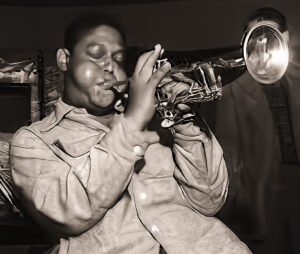
The Billy Eckstine band was much more commercially successful because of the romantic vocals of the leader that attracted many other great players and vocalists, including many notables during his four-year stint such as Charlie Parker, Miles Davis, Sarah Vaughan and other future jazz greats. Record companies were mostly interested in Eckstine’s vocals and Fats found it too restrictive so he left the band and remained in New York City. During the summer of 1946, Fats Navarro became a 22-year old phenomena and trumpet virtuoso. The Big Band Era was winding down and smaller jazz combos were a perfect fit for Fats Navarro and his BeBop Jazz style to shine.
He was sought after for over 150 recording sessions and also recorded under his own name as well. Fats established his place in jazz history and was at his musical peak in the fall of 1947. He continued making remarkable recordings in the winter and spring of 1948 when there was a musicians strike against the record companies which lasted nine months.
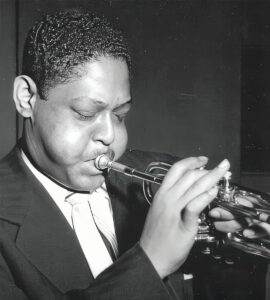 In 1948, Navarro began touring again and along the way got involved with drug use and developed a heroin addiction that would plague him for the remainder of his very short career. He contracted tuberculosis and his weakened immune system allowed it to quickly advance. After the tour ended, Fats returned to New York. He achieved considerable popularity, was highly acclaimed and recorded with the Tadd Dameron group. He was nominated the Metronome Magazine Jazz Poll winner in 1948, enabling him to join the Metronome Jazz All-Stars for a studio session.
His last performance was with Charlie Parker at the famous New York jazz club Birdland on July 1, 1950. Theodore “Fats” Navarro died on July 6 at Metropolitan Hospital on Welfare Island, New York (now Roosevelt Island). He was 26 years old. His funeral took place in Harlem on July 13. Among the attendees was Charlie Parker. He is buried at Rosehill Cemetery in Linden, New Jersey. The funeral and burial expenses were paid for by bandleader Andy Kirk.
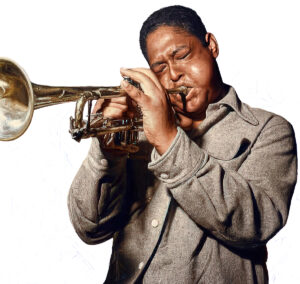 His sister Delores Navarro James continued to live in Key West until her death in 2016 and loved her big brother dearly. She discouraged her Grandson Greg James, a successful musician and vocalist, not to pursue a music career because of her brothers fate. A number of other families in Bahama Village had the same caution. Key West holds an Annual Fats Navarro Celebration at the Green Parrot and the American Legion Post 168 in Bahama Village. His nephew Greg James continues the family music legacy in Key West
Fats Navarro was inducted to the Downbeat Magazine Jazz Hall of Fame in 1982. The city of Key West proclaimed April 5, 2022 to be Fats Navarro Day.
There are no comments yet, add one below.

Leave a Reply